
How Child Support and Financial Disclosures Are Handled in Gwinnett County Cases
Discover how Gwinnett County handles child support and financial disclosures in divorce, custody, or modification cases. Get practical tips to stay prepared.
Learn how Georgia courts apply the best interests of the child factors in custody cases, including parent-child relationships, stability, co-parenting, safety concerns, child preferences, legal custody, physical custody, and evidence.
Served with Georgia family court papers? Learn what matters in the first 48 hours, including deadlines, documents, communication, children, and next steps.
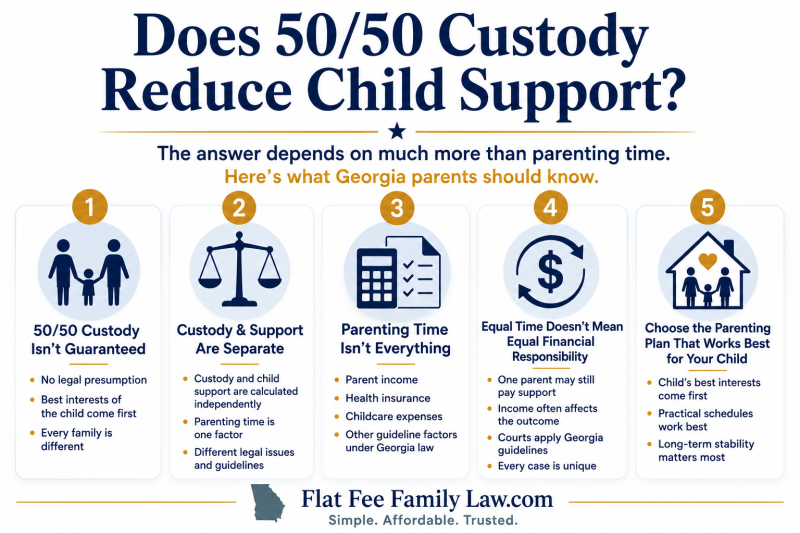
Wondering how much child support you may pay in Georgia? Learn how Georgia child support is calculated, review real-world examples, and understand the factors that affect support obligations.
The Georgia child support calculator is a helpful starting point, but it is not always the final number ordered by the court. Learn what happens next in divorce, custody, and legitimation cases.
Learn how custody decisions are made in Cherokee County divorce cases, including legal custody, physical custody, parenting schedules, documentation, mediation, temporary orders, and the best interests of the child standard.
Being served with a legitimation petition in Georgia does not automatically change custody or parenting rights. Learn what happens next, how long you have to respond, and why early preparation matters.
Fulton County divorce and custody cases often move quickly and involve complex financial, parenting, and procedural issues. Learn what matters most when preparing for family court in Fulton County.
Flat Fee Family Law represents clients in divorce and legitimation cases across Georgia without requiring in-person office visits. Learn how statewide flat-fee representation works, from consultation and document collection to filing, court preparation, and ongoing case support.
The documents you bring to a Georgia final hearing can strengthen your case—or damage your credibility. Learn which financial, custody, communication, and court records matter most and why organization is critical before walking into family court.